Jack sat at the kitchen table, sipping his morning coffee. For months he’d been struggling. A week earlier he had called his brother, Dan. Dan was married, really married. He couldn’t decide what cut of beef to buy without consulting Marge. Jack hadn’t complained about his aloneness, merely mentioned it in passing, like talk of the weather.
“You know what your problem is?” Dan had told him, “you have too much time on your hands. You should just get out and help people, stop thinking of yourself for a change.”
“Yeah, Jack had said, “you have a point.” He thought, as his brother rattled off a few other things he could or should do, of telling him about his stint at the homeless shelter, but he hadn’t. If he had, Dan would have just leapt to something else he should do.
Jack had volunteered at the church’s homeless shelter six months earlier. Initially, he’d liked it, especially the social aspect—the church paired up a man and a woman for each shift—but after about five months Jack began to sour on the program. Most of the women were married, many of the others were widows who seemed uninterested in putting in the time to get to know another man. He’d also come to believe that the homeless program did nothing to solve the underlying cause of so-called homelessness. He became convinced the program’s main benefit accrued to the people volunteering their services, making them feel like they were making a difference. He didn’t think he had. The volunteers were, without a doubt, good people, but the homeless remained homeless, some drunks, some drug-addled, and some even criminals. When one of them, a mentally ill twenty-something, had threatened to shoot him for asking him to go outside for his smartphone chats, he had quit.
Jack took his daily walk around the town. It only took twenty minutes, two blocks up to Main, five blocks down, two back to Carson Meadows Drive, then five back to his place. The same people waved at him that waved every day. The same dogs barked at him that barked at him every day. As he walked, he thought about doing his stretches when he got home. Then a half hour on the exercise bike. Then some reading. He had a little routine. Then dinner, then TV. Today, as Jack came in sight of his little two-bedroom white bungalow, he had an idea. He thought of making a trip. Maybe it would lead to a new beginning of some kind.
Jack went inside, drank a glass of water, and sat down at the kitchen table. The more he thought about it the more he wanted to do it. What change would come, he thought, if he didn’t initiate that change? “Nothing,” he said aloud. “No change.”
He noticed movement to his right—a black blur against the white and gold of the kitchen linoleum—his dog, Ziggy, headed toward his water bowl. But it was a trick of his eyes or brain. Ziggy had been gone for a year and a half.
Jack took his glass and put it in the sink. He took his road maps down from the bookcase. He prided himself on the fact that he had used them to circumnavigate the country two years before. Today’s young people would not be able to do that. They relied on their smartphones to tell them where to go, and how to get there. The world had changed so much. After his trip, he’d felt rejuvenated, younger. He’d started working on his book again, a memoir. But that excitement and productivity had run out after a couple of months. Doubts arose as he watched the news every night. The fate of the world was now in the hands of newer generations, angry women, tattooed like the tough sailors of his youth, who swaggered and cast angry looks as if ready to fight, while young men stood around, seemingly lost, unsure of the future, like a defeated army, losing themselves in drugs, pornography, and video games. Why, he asked himself, would these people be interested in anything he wrote? He couldn’t come up with any answers.
He had two adult children, both childless. Neither of them seemed to be in need of any interaction with him. He hardly heard from them unless he called. When he did, maybe every month or so, he felt like a beggar. They didn’t make him feel that way; he just felt it. He didn’t blame them. Indeed, he had rarely called his own parents when they were in their later years. Then, after his mother passed, he occasionally called his father, but no more than every couple of months or over holidays. His father lived out his last years with his older brother Thomas and his wife. When Dad became terminally ill, realization kicked in—but too late, of course. Jack managed to get there for a bedside farewell. As he and the others looked down at the shriveled-up old man who had once been everything to him, he felt guilty and useless. He’d grown distant from him, grown apart. The only way that could be changed, he realized, would be to begin again interacting, spending time. But there was no chance of that now. Dad had looked up in confusion at him and his two siblings and their wives, not comprehending what was happening to him. He passed away that night after they’d gone home to sleep. They scheduled the funeral the next morning over breakfast—for two weeks out. The next day Jack sipped a bourbon-over-ice in coach class on a day flight back to the West Coast. As the flight attendants wandered the aisles, fussing over the passengers, the alcohol eased the sharp realization that a door had been closed forever. He knew with some guilt, that his stoic, closed-mouthed father would have shared his thoughts and opinions if only he had asked. But he never had.
Jack didn’t miss his second wife. Their short relationship had been a grotesque squalling thing—better euthanized than tolerated any longer. In contrast, he and his first wife had gotten along fairly well in the beginning. But after the children came, they’d fought constantly over finances and child-rearing issues. After 14 years, that came to an end. A half dozen years of serial dating followed.
He went over to Nevada for a week, gambling, driving around the deserts, astounded at all the open space, the vistas, the snow-capped mountains in the distance. He’d hoped to see a UFO. He didn’t. But he met a woman, Ginny—the name should have warned him away—in a casino the size of a 7/11 store, in a tiny, windswept desert town with more tumbling tumbleweeds rolling down the streets than cars. They had an immediate attraction to each other, an ease of communication, two peas in a pod. Miracle of miracles! They dated long-distance for a while, then he brought her to his place to live with him. There was sex, infrequent, given their age, but good, as was the company—for a while. He’d always enjoyed alcohol, but she turned out to be a full-blown alcoholic and her rages had forced him to put an end to their relationship.
Jack turned to look at the gouge in the wall by the light switch behind him—proof that despite his 70 years in this realm, his reflexes were still pretty good. Ginny had been drunk when he’d responded to one of her taunts. The shot glass had barely missed his head and cracked into the wall. He’d been without a woman for a couple years now and had gotten used to it. He sighed and got to his feet. He smiled as he remembered his dog Ziggy, the least complicated and friendliest soul he’d lived with over the past forty years. It was the stuff of jokes, of course, but there was some truth to it.
Ziggy was a shaggy black Australian Shepherd. He’d gotten him at the shelter after he and his son Johnny had moved away from his first wife. She had not allowed any animals in the house. As he and Johnny walked the length of the shelter between the pens, Ziggy immediately got to his feet and came to the door to greet them. When they knelt to the dog, he licked their hands and rubbed his nose against them. Ziggy did have some medical issues, the shelter staff informed them. They had been cagey about it, saying that they didn’t have a diagnosis, but that the dog had had a seizure a week earlier. Despite that, Jack and Johnny took him home. Once on medication, the seizures were rare and not an issue. Ziggy was an incorrigible thief and very social, so social that he would occasionally chew through the gate and make his way to the local dog park. The tag on his collar ensured that Jack would receive a call, “Your dog is here. Can you come and get him?” He and Johnny would laugh at these episodes, and there were no consequences other than re-securing the fences. Years later, after Johnny moved away, Ziggy developed diabetes. Regular injections of insulin had kept him going but eventually, his body gave out and Jack had him put down. He still had not gotten over it.
Jack unfolded the state map. He wanted a big change, maybe another round-the-country tour. But that required planning. He couldn’t do that on a whim. So, he decided on a local ride, maybe a half day out and a half back, maybe to Fennville. The gentle grassy hills, winding roads, and the little streams and rivers that ran through there had always soothed him.
An hour later, Jack pulled into the ARCO at the edge of town and filled up the little Ford. It was stick-shift, one of his retro quirks. If he were younger and still working, he would have gone with an automatic, but for the amount of driving he did, he could still get the ‘feel’ of driving without having knee or hip pain. He took 36 West to the coast, then up to Fort Bragg.
He parked in the near-empty lot of a big seafood restaurant, then walked down the wooden plank steps and out over the sand to the wet strip close to the water. Like an old friend, the sea rumbled and sighed, soothing him somewhat. He’d always wanted to live by the sea but with the jump in housing prices that had become impossible. He thought of his childhood on the East Coast and trips to Atlantic City. The Atlantic was very different from the misnamed Pacific. Even as a little child, he’d felt safe wading out into the Atlantic surf between the great piers, jutting two or three city blocks out into the ocean like ocean liners. There were lifeguard stations; the water was warm and effervescent; people everywhere around sent up laughs and false cries when the breakers slammed into them. But the Pacific—icy cold and seemingly bottomless, was, realistically, more dangerous. There were warnings posted at beach entrances about ‘killer waves’ and Great White shark sightings. As he looked out at the surfers in their black rubber suits, rising and settling as the rollers passed below them, he recalled being a child, tapping out flecks of fish food into the goldfish bowl, watching them rise up to eat. He had never swum in the Pacific Ocean, thought it dangerous at worst and awful at best. Despite that, he did enjoy being near it all.
He walked south a bit on the damp hard-packed sand, keeping an eye on the waves, moving away when one of the bigger waves surged toward him. He came to a seaweed-draped driftwood log and sat. After a while, the usual realization came over him about how much better these little excursions might be if he had someone by his side. But he knew that was not true across the board. He’d taken his second wife on occasional trips to the coast and always she’d found fault, wanting instead expensive trips overseas, or shopping junkets to big city malls.
He breathed the deep salty air. A middle-aged woman walked up the beach toward him. Wearing a sarong-like dress and a broad straw hat on her head, she had a cloth bag in her hand, scanning the sand for pretty shells. As she drew near, he looked down, pretending to tighten up his shoelaces. He felt old and believed that women no longer found him attractive. And he’d always, evidently, chosen poorly. He’d given up on them. She walked on and he turned to watch her as the wind tugged at her rainbow-colored satin dress. A seagull wheeled overhead, calling out forlornly. The sunlight began to burn through his shirt, and he got to his feet and headed back to the parking lot.
Driving back home through the coastal mountain range, radio reception was spotty, and he gave up listening. Now he was tired and already thinking of what he could make for his dinner when he arrived back home. He started down a steep grade and saw across the valley floor a solitary black spec—a pickup truck—coming from the other direction. When he reached the bottom of the valley, he lost sight of it. He looked to the right across a fenced portion of land with a thin creek snaking across it. About a mile out a herd of dairy cows clustered under some trees. He recalled the old ad touting, ‘milk from contended cows.’ He had not been able to achieve contentment in this final solo stretch of his life. His father had—well, sort of. Although Mom had already passed, Dad hadn’t lived alone. He’d lived with Thomas and his wife for the last ten or so years of his life. Still, he thought, Dad probably would have done better at being an old single man than he had. Dad had grown up alone in an orphanage and it had made him as tough and indestructible as an old tire in a landfill. But that stoic toughness hadn’t completely made the transition from him to Jack.
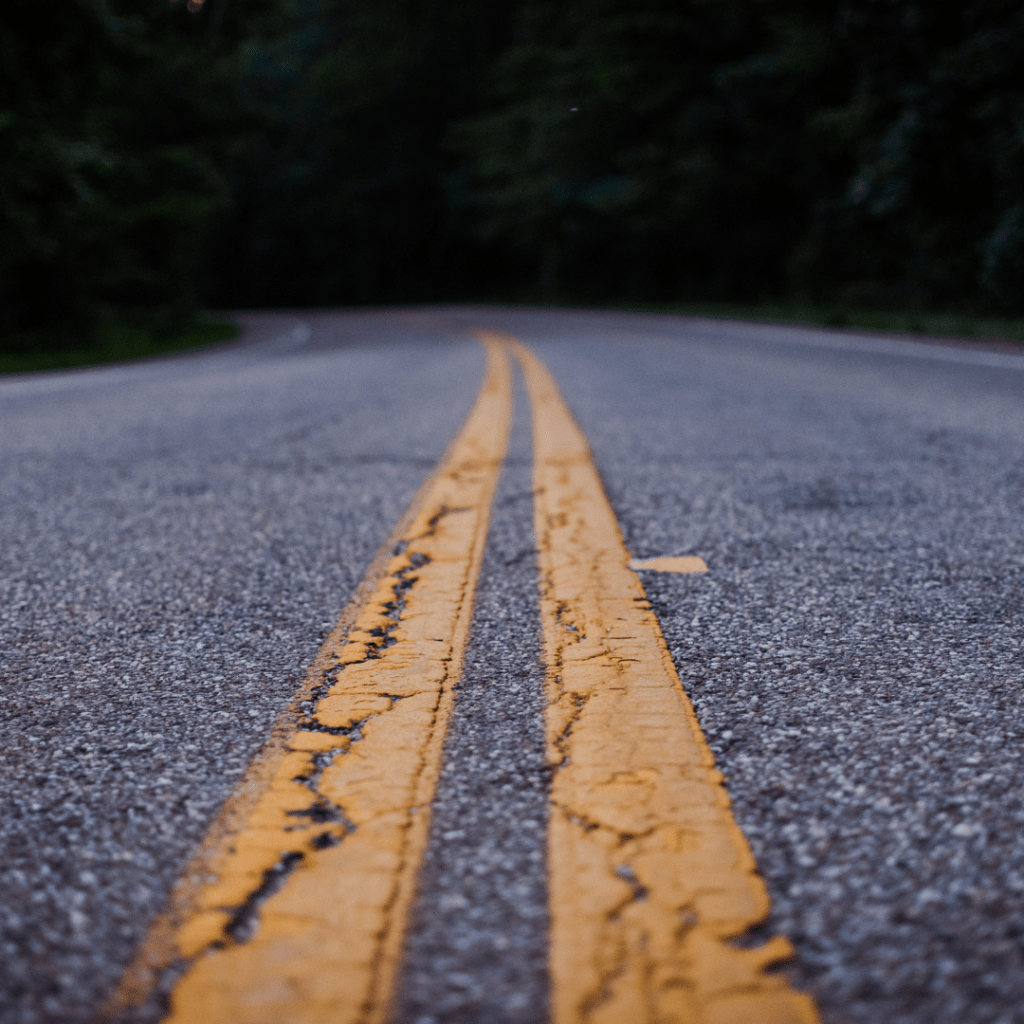
Jack heard the truck approaching. The engine was winding out, probably about 5 or 6,000 rpms. He figured it was probably one of those fuel-injected V-8 jobs. The driver would be male, between 19 and 29, wearing a black cowboy hat and looking like some 1990s Country Music star. The road straightened out and Jack saw the truck ahead. Perhaps the heat rising from the blacktop made it appear to be swaying from one side to the other? Jack focused but couldn’t tell. When it was only about a block away it rose on a grade, on its side of the road. But as the road twisted in a turn, Jack saw its left wheels clearly over the yellow lines—in his lane. Then it was alongside. Jack thought he was safely past when he heard a loud crash. Something cracked into his head and he felt the driver’s side of the car rising up at an impossible angle. He passed out.
When he woke, the car was right side up. The windshield was busted out, and the driver’s side window gone as well. The air was still, the temperature perfect. He felt unhurt, but stiff all over. Something pinched the skin on the left side of his face. He wiped at it exploratively with his fingers. He looked at them and saw black, encrusted blood. Still, he seemed to be okay.
He released the seat belt and grabbed the handle of the door. It opened, but only about a third of the way. He slid out and turned to look in the direction from which he’d come. It was very still and quiet. The truck was gone. The grass on the slope of the shoulder had two brown furrows where his car had left the road, his foot obviously jammed down on the brake pedal. There were brown gouges in the grass where the car had flipped over, then landed on its wheels.
“Jesus,” he said. He looked around and saw no cars coming in either direction. He decided to start walking East in the direction he’d been heading.
There was no wind and the sun was bright, but not enough to burn his skin like it sometimes did. He started walking on the gravel shoulder. He didn’t feel hot or thirsty. Earlier he’d had the air conditioner on but then had turned it off. But after five or so minutes, he’d had to put it back on. Now it was shirt-sleeve weather. Then he thought, adrenaline… That was it. He was pumped with it. “All to the good,” he said aloud.
He walked steadily, his feet crunching on the gravel. There were still no cars in sight and he didn’t know how far he’d have to walk to find a gas station. “Shit,” he said unconsciously, then, “Oh! My cell…” He took his cell phone out and attempted to make a call. The screen appeared to be frozen. He looked closer. No bars. Of course. There were no power lines in sight, no cell towers.
He crested a rising stretch of road and started walking down. The landscape changed a bit, from large evergreen trees to deciduous trees, not as tall, but crowned with huge, wide, leaf-filled branches. There were no fences anywhere, just the road and the beautiful forest on either side. He turned and looked back the way he’d come. Still, no cars, and no longer any evidence of the accident.
He continued walking. He was all alone. Nobody, no one to call or to help, not that he felt the need of it. He had always been there for people who were in need, well, catastrophically in need. But now there was no one to help him. However, it really didn’t bother him. It was just a minor note, a factoid, as the young people would say. He did not feel needy or panicked. He thought he knew why. For an old man like him to go through an accident like that and come out unscathed, was quite an accomplishment. It would be nice to be able to share that fact with someone. Maybe in another mile or so someone would come along, maybe a bicyclist, wearing Spandex and a helmet with one of those little dental mirrors affixed to it. They could tell him what was ahead, or if he’d be better off walking in the other direction—something. Or maybe a State Trooper would pass his wrecked car, check it out, then come looking for him. He looked forward to that eventuality, to just share the experience with another soul. He imagined being in the front seat as the trooper pushed down gently on the accelerator and the cruiser pulled out powerfully onto the highway. He was always imagining something, he realized. Actually, this whole accident was no different from his normal existence—hermit-like solitude. Even when he traveled, it was as if he were in some kind of bubble. But perhaps he had finally gotten used to it.
He saw something ahead on his side of the road, a structure of some kind. He quickened his pace a bit, again feeling sure of foot and strong in spite of what he’d gone through. He came to a gate of sorts—two tall upright log posts with the bark still on them, topped with a fat log, the word WELCOME, cut into it—Western Ranch style. He chuckled inwardly; there was no fence, but there was a gate?
He stepped under it. A vague path snaked up a slight grade into the forest of trees, oaks, he guessed. It was bucolic and inviting. And then he saw beyond the rise, at the top of the next higher hill, some kind of house or estate. He thought of maybe walking to the house and asking to use the phone. But he was in no distress or pain and it didn’t seem necessary. He was about to go back to the shoulder and resume his walking when he spotted something through the tan, brown, and green of the scene—a park bench, dull white concrete supports, and green-painted planks forming the seat. The boughs and leaves of the trees shifted in a slight (unfelt by him) breeze and he saw a man sitting on the bench. Intrigued, he decided to go up and talk to him.
As Jack walked under the great trees, he felt as if they were sentient, aware of his presence, benign and welcoming. The sparse grass off the path was littered with acorns, looking like tiny mahogany African drums. As he approached, the sitting man nodded nonchalantly. He was young, maybe in his late twenties or early thirties.
“Mind if I sit for a while?” Jack asked.
“No, not at all.”
Jack tried to get a sense of the man, trying not to stare. There was something about him, not threatening, but mysterious. The man was dressed modestly—loosely-fitting faded blue jeans, plain brown laced shoes, a shirt of broad vertical multi-hued blue stripes, the kind you’d find in Walmart, not tucked. He seemed middle class, a working man, maybe a plumber or factory worker of some kind.
“You live around here?” Jack asked.
“Uh huh,” the man said, nodding his head toward the high hill in the distance.
The building looked more like a museum than a house, with a dome in the middle and two spires visible.
“Looks like a mansion,” Jack said.
The man gave a little laugh. “Oh yeah.”
“I had an accident down the road,” said Jack. He realized with amazement that he had almost forgotten about it and no longer really cared about it.
The man merely nodded. Jack knew he wasn’t unfriendly, just not a big talker. Jack was, he knew. In that way, he took after his mother. His father had always been quiet, shy, and a stoic as well.
Jack pointed to the acorns littering the sparse grass. “These oaks put out tons of this stuff, you know?”
The man nodded as Jack enthusiastically got off the bench and went a few steps to gather up a handful of them. He turned to the stranger. “The California Indians used to live off this stuff.”
The man looked at him, waiting for him to go on. Then they both heard a noise, a rustle in some bushes about ten feet away. A dark furry shape raced down the slope toward them, throwing up some dried leaves as it pivoted before them, and quickly ran off.
“Wow!” said Jack. “I had a dog like that, an Australian Shepherd and black Labrador mix.”
“Oh yeah?” said the man.
“Yeah. He had diabetes. Well, he was really old too. And his back legs just gave out. Every morning I’d have to clean him up; he couldn’t get himself out to do his business anymore.”
The man nodded, waiting for Jack to go on.
“So, you know, I took him in.”
“Must have been tough.”
Jack stared off as if in a fog. “Oh, yeah… They gave him a shot to calm him and left us alone for a while for it to take effect. They had this big cushion for the two of us to sit on, to say goodbye. All I could do was pet him… I couldn’t even tell him how much I loved him. I couldn’t talk for crying.”
The man nodded sympathetically.
“When the vet came back with the syringe for the final shot, Ziggy started to struggle. He knew what was coming and he was afraid. I tried to calm him but couldn’t. I just got to my feet and told the vet that I couldn’t be there for it. And then I left.”
Jack shook his head as he looked at the man. “Usually, remembering it makes me sad. Not now though. I guess it’s just the passage of time.”
The man looked down at his shoes.
Jack rolled the acorns around in his palm, a few of them falling to the ground. “You ever eat these? The Indians used to mash them up, made bread out of them. I think they’re good roasted, too.”
“Nah,” said the man. “I think you have to soak them.”
Jack nodded. “I’m gonna go up to that house.”
“Okay,” said the man. “I’ll go with you.”
As they started up the rise, they again heard a thrashing in the bushes off the trail and the dog raced down at them playfully. The dog jumped up at Jack, putting his paws on his chest. Jack knelt to him. “Ziggy!” he said. The dog muzzled him happily.
Jack looked at the man. “This is my dog! I took him to the vet to be put down.”
The man said nothing and seemed to be waiting on Jack for something.
“I don’t understand,” said Jack. “Maybe he never did it. Maybe he let him live. But he was on his last legs. I had to carry him in!” Jack shook his head and looked at the man. “How long has he been here?”
“He just showed up when you did.”
“Wow,” said Jack.
“That’s the way things happen here,” said the man.
Jack frowned as he looked at him. “I don’t understand any of this.”
The man said nothing as he looked at Jack steadily, not sad, not smiling, just serene, kind of stoic.
“Dad?” said Jack.
“I was wondering when you were going to figure it out.”
Jack blinked as he remembered the old pictures in the family photo album of mom and dad in their early years that he had seen as a child. “Where’s Mom?”
Dad nodded toward the mansion. “She’s up there with her lady friends at the big fountain. They like to listen to the falling water and talk.”
“So, she’s happy now?”
“Yeah.”
“It was awful, you know, her depression.”
Dad nodded. “Yeah, it started after you and your brothers and sisters were born.”
“Post-partum?”
Dad shrugged slightly. “I guess. Doesn’t matter anymore.”
“Let’s go see her.”
They walked up, coming onto a pebbled square. In the middle of it, a thick column of water shot up out of a large jug about six foot tall. The water crested into a mushroom shape and fell back, showering into the surrounding circular pool like rain. As Jack approached with Dad, he was surprised at how perfect it all was—the bright blue sky, the sound of the falling water. Four women sat on one of the marble benches. Their talk was merry, punctuated with gentle laughter. Jack and Dad came around the bench and the women smiled in greeting. Jack was amazed at the sight of his mother, pretty, youthful, and more astoundingly, happy. Gone was the extra weight and the sad, heavy demeanor. Her eyes sparkled as she got to her feet. She smiled at Dad and said, “He looks wonderful.”
Dad smiled and nodded. “Yes.”
Mom embraced Jack and he felt only love. Gone was sadness, longing, fear, and anger. There was only peace.
“Finally, we have you here,” said Mom. “Come and sit with me later, will you?”
“Yes, Mom. I will.” He nodded and turned to Dad.
“Well,” said Dad, “are you ready to go up and see him?”
They looked up at the great marble mansion looming up another several sets of marble stairs.
Jack nodded. “Yes. Let’s go.”
 americanfirstmagazine.com
Leave a comment